
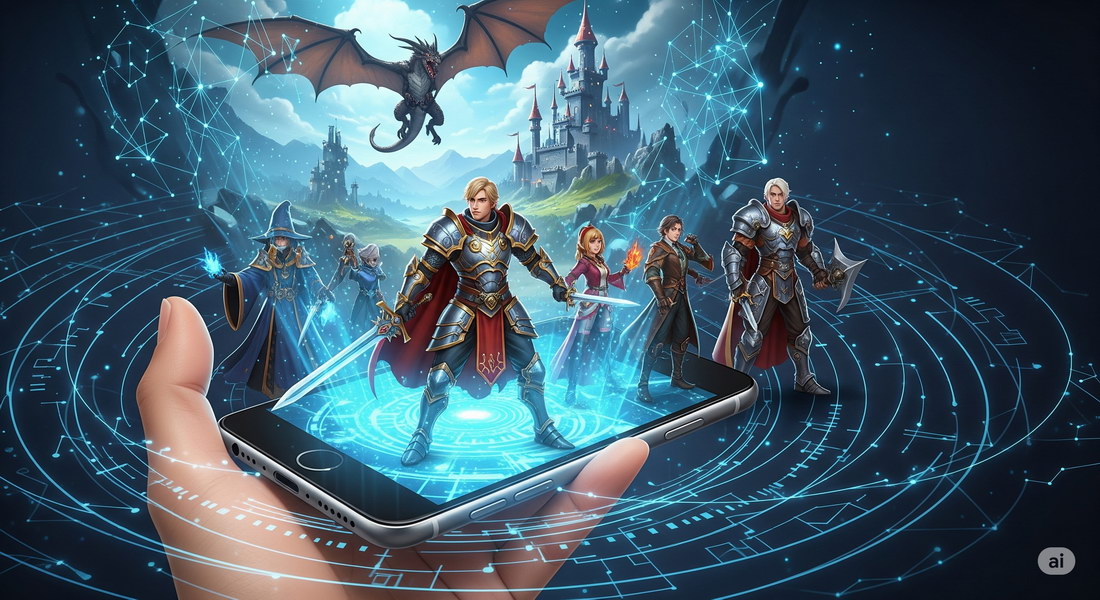
Accessibility has opened RPGs to a wider audience.
Smartphones are nearly universal, making mobile RPGs available to billions of people. Unlike traditional RPGs that required consoles or PCs, mobile versions can be played anywhere at any time. This flexibility attracts casual players as well as long-time fans of the genre. The barrier to entry has never been lower.
Many mobile RPGs also adopt free-to-play models, allowing anyone to try them without upfront costs. This inclusivity brings in massive audiences from across the globe. The ability to access complex role-playing experiences from a pocket device has redefined the genre’s reach. Accessibility has been one of the biggest drivers of popularity.
Mobile RPGs combine depth with convenience.
Traditional RPGs are known for their long narratives and strategic gameplay. Mobile RPGs retain these features but adapt them to shorter play sessions. Auto-battle systems, quick missions, and daily rewards make them easy to enjoy in small bursts. This balance of depth and convenience appeals to modern lifestyles.
Players can engage in epic storylines while still managing limited time. The ability to log in for just a few minutes a day keeps engagement high. RPG fans no longer need hours of uninterrupted play to enjoy progression. Mobile RPGs have successfully blended complexity with accessibility.
Popular franchises expanded their reach through mobile adaptations.
Major RPG franchises like Final Fantasy, Pokémon, and Dragon Quest have embraced mobile platforms. These titles attract both nostalgic fans and new players. Mobile adaptations often simplify mechanics while preserving the essence of the originals. This strategy ensures the games appeal to a broad audience.
New mobile-exclusive RPGs, such as AFK Arena and Raid: Shadow Legends, have also become hits. They demonstrate how original titles can thrive without being tied to existing franchises. These games show that mobile is not just a secondary platform—it’s a primary home for RPGs. Established and new IPs alike drive the genre’s popularity.
Live service models keep RPGs engaging over time.
Many mobile RPGs operate as live services with constant updates. Developers release new story chapters, characters, and events regularly. This ensures the game world feels alive and evolving. Players are motivated to return frequently to experience new content.
Community-driven events and collaborations also boost engagement. Limited-time banners, crossovers, and seasonal updates create excitement. These strategies keep games relevant long after launch. The live service model has been instrumental in sustaining popularity for mobile RPGs.
Social features enhance the RPG experience.
Mobile RPGs often include guilds, chat systems, and cooperative modes. These features turn role-playing into a shared social activity. Players can team up for raids, trade strategies, and celebrate achievements together. This sense of community strengthens long-term player loyalty.
Competitive elements like PvP arenas add another layer of engagement. Players not only progress through stories but also measure their skills against others. Social connectivity ensures mobile RPGs feel dynamic and interactive. It transforms RPGs into both personal journeys and collective adventures.
The future of mobile RPGs looks brighter than ever.
Advancements in hardware and connectivity will continue to expand possibilities. Higher-quality graphics and smoother performance bring mobile RPGs closer to console experiences. Cloud gaming and cross-platform integration will further bridge gaps between devices. These innovations will push the genre to even greater heights.
As developers experiment with new mechanics and storytelling approaches, mobile RPGs will keep evolving. Their popularity reflects the perfect blend of accessibility, depth, and social interaction. RPGs on smartphones are no longer secondary—they are central to the industry. The golden era of mobile role-playing has only just begun.
Mobile RPGs are more popular than ever because they combine accessibility, depth, and social features. Franchises old and new thrive thanks to adaptations and live service models. Technological progress ensures they will only become richer and more immersive. The rise of mobile RPGs marks a defining chapter in the evolution of the genre.


